Keith Olbermann Criticizes Former Attorney Rachel Maddow for Lack of “Principle” Over $25 Million MSNBC Settlement
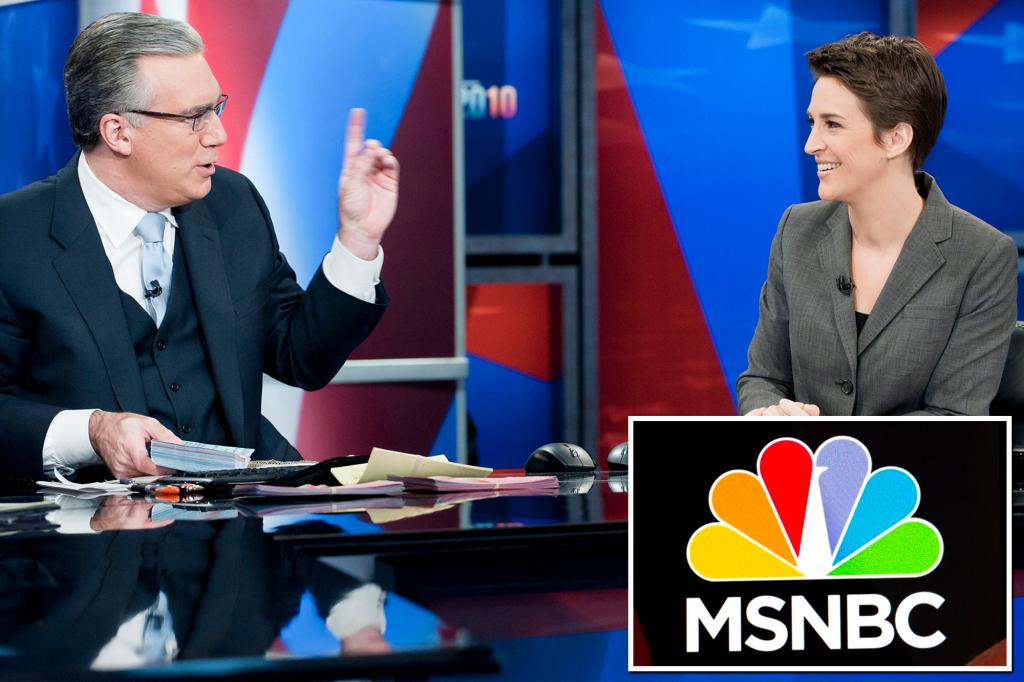
When former MSNBC host and political commentator Keith Olbermann speaks, the media world tends to listen. Known for his unapologetic opinions and sharp critiques, Olbermann has once again found himself at the center of a media storm—this time targeting his former network colleague, Rachel Maddow. The controversy erupted after reports surfaced that MSNBC had agreed to a $25 million settlement related to a legal dispute, with Maddow allegedly playing a significant role in the negotiations.
Olbermann took to social media and his own commentary platform to accuse Maddow of lacking “principle,” suggesting that her decision to remain silent about the matter—and her continued relationship with the network—reflected moral inconsistency. His comments quickly ignited debate among journalists, pundits, and viewers about the ethics of corporate media, personal accountability, and the evolving landscape of political commentary in America.
Development
The disagreement between Olbermann and Maddow is more than a personal feud; it reflects broader questions about integrity and loyalty in the modern media industry. Both figures share a long history with MSNBC. Olbermann, who hosted Countdown with Keith Olbermann, was one of the network’s pioneering progressive voices during the mid-2000s, setting the tone for the opinion-driven cable news era. Maddow, on the other hand, rose to prominence as the intellectual and analytical counterbalance to Olbermann’s fiery style, becoming the network’s flagship host.
The reported $25 million settlement—which insiders claim was linked to an internal dispute involving defamation and contractual disagreements—became a lightning rod for controversy when Olbermann suggested that Maddow had failed to stand up for ethical journalism. According to his statements, Maddow’s willingness to remain within the corporate structure of MSNBC, while others faced professional consequences for similar conflicts, highlighted what he called a “pattern of selective principles.”
Olbermann’s criticism, however, was not entirely unexpected. He has long been outspoken about the influence of corporate interests on journalism, arguing that even well-intentioned hosts risk compromising their integrity when working for major networks owned by billion-dollar conglomerates. He accused Maddow of “playing it safe” and prioritizing personal gain over journalistic courage—a charge that immediately divided audiences.
Supporters of Maddow quickly pushed back, noting that she has built a reputation for careful reporting and has consistently used her platform to challenge political corruption and misinformation. To many, Olbermann’s attack felt personal rather than principled. They argue that Maddow’s continued role at MSNBC allows her to maintain influence in shaping political discourse, while Olbermann’s independent ventures—though passionate—reach a smaller audience.
Behind the public statements lies a deeper philosophical divide: what does it mean to maintain integrity in a corporate media environment? For Olbermann, integrity means refusing to compromise one’s principles, even at the cost of career advancement. For Maddow and her defenders, integrity means using one’s platform strategically to continue informing the public, even if that means accepting the limitations of a large media institution.
Media analysts have noted that this conflict mirrors a larger trend across the American news industry, where journalists and commentators are increasingly forced to navigate between truth-telling and corporate expectations. Networks like MSNBC, Fox News, and CNN have become not only sources of information but also brands, where profitability often competes with authenticity.
Observers also point out that the timing of Olbermann’s remarks is significant. The television landscape is rapidly shifting, with cable ratings declining and digital platforms gaining ground. Independent creators like Olbermann are trying to redefine political commentary outside traditional networks, while established figures like Maddow are negotiating long-term contracts to maintain relevance and stability.
Financially, the stakes are enormous. Maddow’s reported contract—worth over $30 million per year—makes her one of the highest-paid television personalities in American news. For Olbermann, who left MSNBC years ago amid his own disputes with management, this disparity underscores what he sees as an erosion of ethical consistency in the pursuit of corporate success.
Despite the heated tone of his critique, Olbermann’s statements resonate with broader frustrations among journalists and viewers who feel that mainstream media has become too comfortable within the corporate elite. His words raise questions about whether political commentary has drifted away from its public service mission and turned into entertainment packaged for profit.
Rachel Maddow has so far remained silent on Olbermann’s comments, a decision some interpret as a strategic choice to avoid escalating the conflict. Others see her silence as indicative of indifference—a luxury afforded by her high standing within the network. Meanwhile, MSNBC has refrained from issuing any formal statement on the alleged settlement or the ensuing public debate.
As media ethics experts have noted, controversies like this one highlight how the modern news ecosystem blurs the line between journalism and personality-driven performance. Viewers increasingly follow individual commentators rather than networks, creating loyalties based on ideology and style rather than substance. In that sense, both Olbermann and Maddow are products—and victims—of the same system they critique.
Ultimately, the feud between these two figures may reveal more about the audience than about the commentators themselves. Many Americans today expect their favorite journalists not just to report facts but to embody moral clarity. When those expectations are not met, disappointment often turns into outrage.
FAQ – Frequently Asked Questions
- What triggered Keith Olbermann’s criticism of Rachel Maddow?
Olbermann publicly accused Maddow of lacking principle after reports emerged that MSNBC had reached a $25 million settlement connected to internal disputes. He claimed Maddow’s silence and continued loyalty to the network reflected moral inconsistency. - Has Rachel Maddow responded to Olbermann’s comments?
As of now, Maddow has not issued any public response. Sources close to her suggest she prefers to remain focused on her current projects and avoid fueling the controversy. - What is the background of the $25 million settlement?
Although details remain confidential, industry insiders suggest the settlement involved contractual disputes and potential defamation claims within MSNBC’s internal structure. - Were Olbermann and Maddow colleagues at MSNBC?
Yes. Olbermann’s show Countdown helped establish MSNBC’s progressive identity, and Maddow often appeared as a guest before launching The Rachel Maddow Show in 2008. - Why did Olbermann leave MSNBC?
Olbermann departed in 2011 following disagreements with management over editorial control and corporate influence. He later joined other networks and eventually launched his independent political commentary platforms. - Is Olbermann still active in media?
Yes. Keith Olbermann continues to host independent programs online and remains an active political commentator known for his outspoken progressive views. - How does this controversy affect MSNBC’s image?
While the network remains one of the top-rated in cable news, repeated internal conflicts and high-profile settlements may raise questions about transparency and corporate ethics. - What does this conflict reveal about the state of U.S. journalism?
It underscores the ongoing tension between journalistic independence and corporate influence, highlighting the difficulty of maintaining integrity within profit-driven media institutions. - Do Olbermann and Maddow still share similar political beliefs?
Broadly speaking, yes—they both lean progressive. However, their approaches differ: Olbermann is confrontational and idealistic, while Maddow emphasizes analysis and strategic communication. - Will this dispute have long-term consequences for either of them?
Likely not in the short term. Maddow’s contract ensures her continued presence at MSNBC, while Olbermann’s independent audience remains loyal. The greater impact may be on how viewers perceive authenticity in political media.
Conclusion
The clash between Keith Olbermann and Rachel Maddow is about more than a $25 million settlement; it represents a symbolic battle for the soul of progressive media. It raises uncomfortable but necessary questions: Can journalists working within corporate structures truly maintain their independence? And does silence in the face of controversy equate to complicity?
Both figures embody different paths within the same ideological movement—Olbermann as the uncompromising critic, Maddow as the establishment insider who plays the long game. Their conflict serves as a mirror for the American audience, reflecting not only the shifting power dynamics of the media industry but also the public’s desire for authenticity in an age of corporate control. Whether one agrees with Olbermann or sides with Maddow, one truth remains clear: integrity in journalism continues to be tested in an era where every principle has a price tag.