
Apple’s New AI Could Leak Sensitive Data, Experts Warn – Take These Steps to Protect Your Privacy
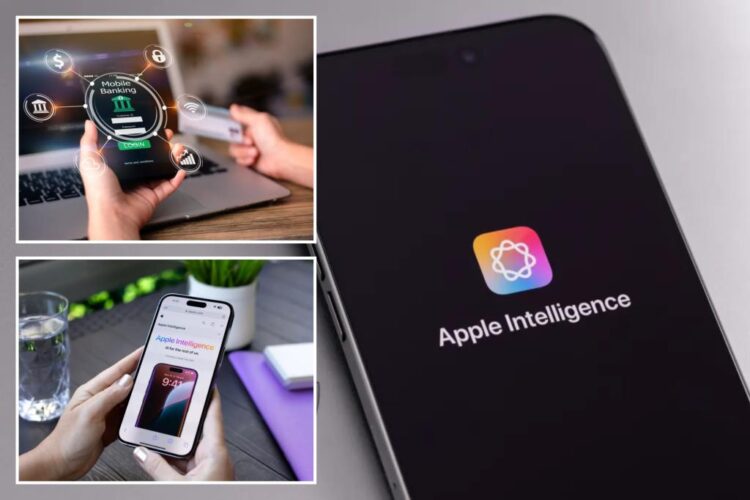
As Apple continues to integrate artificial intelligence deeper into its ecosystem, privacy experts are raising new alarms about potential risks to users’ personal data. The company’s recent AI initiatives—marketed under the umbrella of “Apple Intelligence”—promise to deliver smarter, more personalized user experiences across iPhone, Mac, and iPad devices. But with great power comes great responsibility—and in this case, potential exposure.
While Apple has built a reputation for privacy-first design, experts warn that even small vulnerabilities in its AI architecture could lead to significant data leaks. With millions of users trusting their devices to store sensitive information—banking details, messages, photos, and biometric data—any mishandling of AI-driven features could have serious consequences. Here’s what’s happening, what security analysts are saying, and how users can safeguard their data in the age of artificial intelligence.
Development
Apple’s rollout of its new AI framework marks a major step toward catching up with competitors like Google and OpenAI. “Apple Intelligence” integrates machine learning models directly into native apps such as Mail, Messages, and Safari, offering personalized summaries, writing suggestions, and smart automation features. The company claims these AI tools are processed locally—on the device itself—to prevent third-party access.
However, cybersecurity experts caution that local processing doesn’t mean zero risk. Even when computation happens on-device, AI still relies on data collection to improve performance and accuracy. This includes contextual information such as user behavior, preferences, and sometimes metadata that could inadvertently expose sensitive details.
Privacy Under Pressure
Dr. Amanda Royce, a data protection researcher at Stanford University, explains that “AI models are only as safe as the systems that support them.” She warns that any misconfigured settings or vulnerabilities in Apple’s operating system could allow malicious actors to exploit the AI’s data-sharing features. “If the model references external APIs, cloud sync tools, or third-party integrations, user data could be indirectly exposed,” Royce said.
The concern is not entirely theoretical. In recent years, even highly secure platforms have experienced data breaches. OpenAI’s ChatGPT, for example, accidentally leaked user conversations due to a bug in its memory interface. Apple’s system, though designed to be more restrictive, still faces the challenge of balancing innovation with ironclad privacy controls.
Where the Risk Lies
The primary risk areas identified by analysts include:
- Siri’s AI Enhancement: Apple’s voice assistant is now powered by advanced generative AI capable of drafting messages and scheduling tasks autonomously. However, this increased functionality means Siri accesses broader swaths of user data, including contacts, emails, and notes. If improperly isolated, this data could be vulnerable to interception or misuse.
- iCloud Integration: Many AI features sync through iCloud to maintain continuity across devices. Experts caution that despite encryption, backups may store temporary AI-generated data, which could be extracted if credentials are compromised.
- Third-Party Apps: Apple’s developer tools now allow apps to harness “Apple Intelligence” APIs. While convenient, this opens the door to potential misuse by less secure apps that gain indirect access to AI-driven data.
- User Consent Settings: Some users may unknowingly enable features that share limited data with Apple servers for analytics. Without clear user education, this creates confusion about what’s actually private.
Apple’s Response
Apple maintains that its AI system upholds the company’s core philosophy: “Privacy by design.” In a public statement, Apple’s Senior Vice President of Software Engineering, Craig Federighi, emphasized that most AI operations run on-device and use a new security protocol called Private Cloud Compute. This system ensures that even when data leaves the device temporarily, it’s anonymized and inaccessible to Apple engineers.
Federighi stated, “Our AI is built on the foundation of privacy that our users have come to trust. Data is processed securely, and no personal information is ever used to train our models.”
Still, experts argue that full privacy assurance is impossible as AI grows more interconnected. Dr. Royce counters Apple’s optimism, noting, “Even anonymized data can often be re-identified through pattern analysis. AI systems are inherently complex, and with complexity comes risk.”
What Users Can Do
While Apple works to strengthen its security protocols, users should take proactive steps to minimize exposure. Protecting privacy in the AI era means combining smart digital habits with technical precautions. Here are key strategies recommended by cybersecurity experts:
- Review App Permissions Regularly
Go to Settings → Privacy → App Permissions. Revoke access for apps that don’t need microphone, camera, or location data. Limiting permissions reduces what AI models can collect indirectly. - Turn Off Siri Suggestions and AI Drafts
If you’re concerned about AI analyzing your messages or emails, disable “Siri Suggestions” under Settings. You can also limit AI’s ability to read notifications or auto-generate responses. - Avoid Storing Sensitive Data in Notes or Messages
AI models may access contextual data to improve predictions. Avoid saving passwords, financial details, or confidential information in Apple’s native text apps. Use password managers instead. - Enable Two-Factor Authentication (2FA)
Your Apple ID is the gateway to your AI ecosystem. Enabling 2FA adds a crucial layer of protection against credential theft, especially if your phone is lost or compromised. - Keep Software Updated
Most privacy breaches exploit outdated software. Enable automatic updates to ensure your device always runs the latest security patches. - Use a VPN for Cloud Sync
A Virtual Private Network encrypts your traffic and hides your IP address during iCloud synchronization, reducing exposure to man-in-the-middle attacks. - Opt Out of Analytics Sharing
Under Settings → Privacy → Analytics & Improvements, disable data sharing with Apple. This prevents diagnostic data from being used in aggregate model updates. - Monitor iCloud Backups
Delete unnecessary backups or old devices associated with your Apple ID. Even encrypted backups can reveal metadata that AI systems use for prediction.
Balancing Innovation and Safety
The tension between progress and privacy is not unique to Apple. All major tech companies face the same dilemma: how to deliver smarter AI features without compromising user control. Apple’s advantage lies in its ability to process data locally, but as experts emphasize, no system is entirely immune to leaks or misuse.
Cybersecurity analyst James Keller notes, “AI operates on context. The more context it has, the better it performs—but also, the more privacy risk it carries.” Users should view privacy not as a one-time setting but as an ongoing practice requiring awareness and vigilance.
In the coming months, Apple plans to expand its AI features with cross-device intelligence, deeper predictive tools, and advanced personalization. These enhancements will likely increase dependency on shared data environments. For privacy advocates, this underscores the urgency of user education.
FAQ – Frequently Asked Questions
- Is Apple’s new AI safe to use?
Generally, yes—but like all AI systems, it carries inherent risks. Apple prioritizes security, but users must remain proactive about their privacy settings. - What is “Private Cloud Compute”?
It’s Apple’s system for securely processing AI requests that require server access. Data is encrypted, anonymized, and automatically deleted after processing. - Can Apple employees access my AI data?
According to Apple, no. The company claims all AI-related computations are performed either locally or through encrypted servers without human visibility. - Could hackers exploit Apple’s AI features?
Potentially. If vulnerabilities exist in iOS or iCloud, hackers could target the infrastructure supporting AI tools. That’s why frequent updates are essential. - Does Apple use my personal data to train AI models?
Apple asserts that it does not. Unlike some competitors, its models are trained using publicly available datasets and synthetic data. - Are third-party apps using Apple’s AI safe?
Only if they follow Apple’s privacy guidelines. Users should still be cautious with new or unverified apps using AI-driven APIs. - What data is most at risk?
Contextual data such as location, contacts, and written content could be indirectly exposed through AI processing or backups. - How often should I check my privacy settings?
Experts recommend reviewing permissions and iCloud configurations every month or after major software updates. - Will disabling AI features make my iPhone less useful?
Some convenience may be lost, but privacy-conscious users can tailor settings to balance security and functionality. - Can I completely opt out of Apple Intelligence?
Yes. Users can disable most AI functions through Settings → Siri & Search → Apple Intelligence, though basic machine learning (like autocorrect) will remain active.
Conclusion
Apple’s new AI platform represents both technological progress and a new frontier of privacy challenges. While the company’s commitment to “privacy by design” remains commendable, users should understand that no system—no matter how secure—is completely foolproof.
By taking a proactive approach to digital hygiene—managing permissions, using 2FA, and staying informed—Apple users can enjoy the benefits of advanced AI without surrendering control over their personal data. As artificial intelligence continues to shape the future of computing, privacy awareness will remain the most powerful defense against digital exposure.