Former Republican Rep. David Jolly Slams Joe Scarborough and Mika Brzezinski for Meeting with Trump: ‘You Can’t Do That’
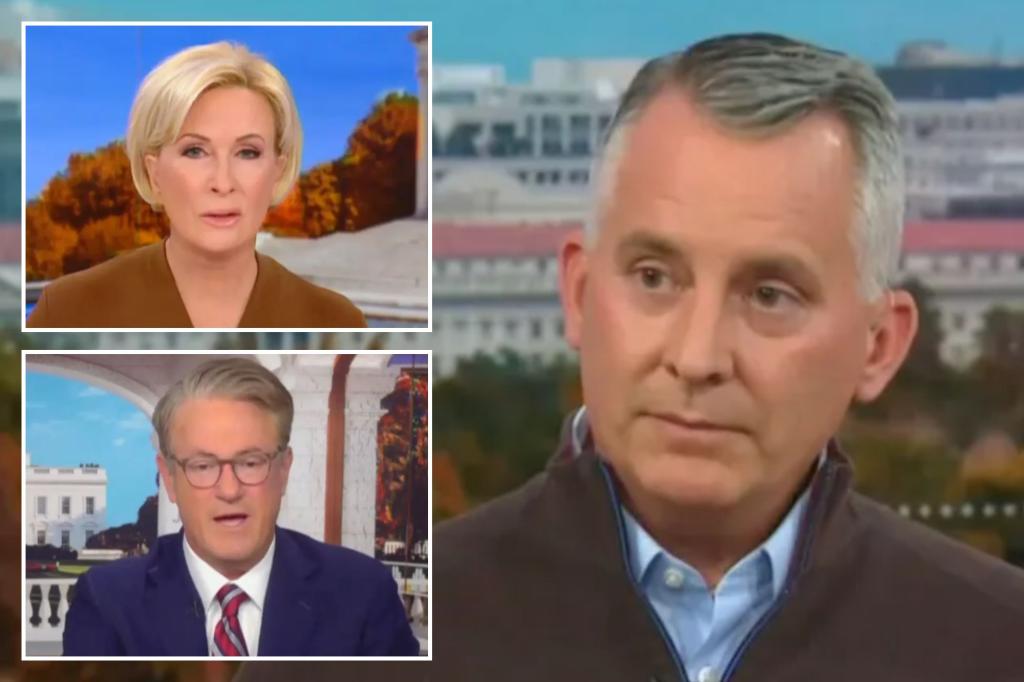
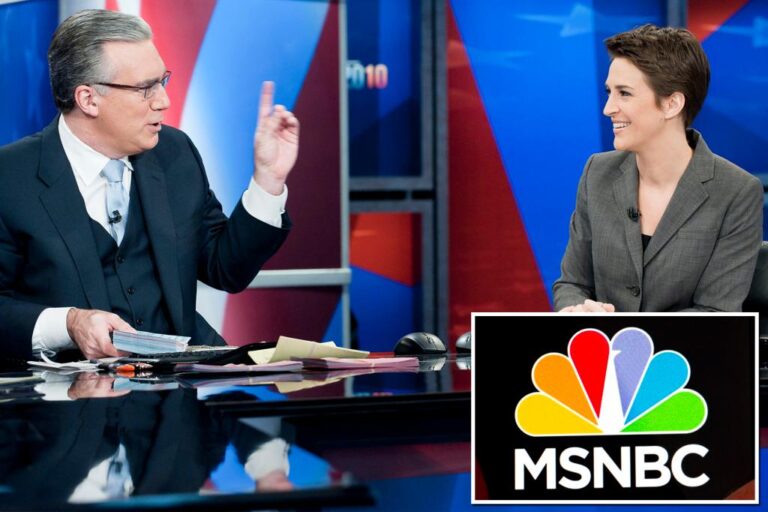
Former Republican Representative David Jolly has ignited controversy after publicly criticizing MSNBC’s Joe Scarborough and Mika Brzezinski for allegedly meeting with former President Donald Trump. The critique, delivered during a recent televised segment and echoed across social media, raises questions about journalistic ethics, political neutrality, and the blurred lines between personal relationships and professional integrity in media.
As political discourse in America grows increasingly polarized, Jolly’s comments have reopened a familiar debate: can prominent journalists maintain objectivity when they socialize with political figures they cover? The controversy surrounding Scarborough and Brzezinski—a married couple and co-hosts of Morning Joe—is not just about one meeting. It’s about trust, transparency, and the delicate role of the media in shaping public opinion in an era where perception often overshadows fact.
Development
The firestorm began when reports surfaced that Joe Scarborough and Mika Brzezinski, longtime hosts of MSNBC’s flagship morning program, had a private meeting with Donald Trump. While details of the encounter remain unclear, multiple insiders claim it involved informal discussions about politics, media coverage, and Trump’s ongoing influence on American voters.
For many viewers, the revelation struck a nerve. The Morning Joe hosts have a complicated history with Trump. During the early days of his 2016 campaign, Scarborough and Brzezinski frequently featured Trump on their show, often in a friendly manner. However, as Trump’s rhetoric grew more divisive, the relationship soured dramatically. The pair became some of his most vocal media critics—so much so that Trump often targeted them personally on social media.
Against that backdrop, Jolly’s sharp response carried weight. During a segment on MSNBC’s rival network, he stated: “If you’re in a position to hold power accountable, you can’t also sit down privately with that power. You can’t do that.” His comment resonated widely among media watchdogs and political commentators, many of whom echoed the sentiment that journalists have a duty to maintain not just objectivity but the appearance of it.
Jolly, who left the Republican Party in 2018 and has since become a prominent independent voice, emphasized that his criticism was not partisan. “This is about ethics, not politics,” he said. “We can’t demand transparency from politicians while excusing the same behavior in media.” His stance highlights a growing public demand for accountability—not just from elected officials but from those who report on them.
The Ethical Debate: When Journalism Meets Power
The heart of the issue lies in the ethical responsibilities of journalists in a hyper-partisan environment. Critics argue that private meetings with powerful political figures, especially those who remain active in national politics, risk undermining the credibility of independent journalism. Even if no wrongdoing occurs, perception alone can damage public trust.
Supporters of Scarborough and Brzezinski counter that journalists often meet with sources off-camera to gather insights or maintain relationships necessary for reporting. However, in this case, Trump is not just a source—he’s a figure whose influence continues to shape national discourse and the future of the Republican Party.
Media scholars note that the situation underscores the importance of boundaries in journalism. “Transparency is the currency of trust,” says Dr. Karen Bishop, a professor of media ethics at Georgetown University. “When journalists engage with politicians privately, especially those they cover critically, it creates a perception of bias—even if the interaction is innocent.”
A Complicated Relationship
Scarborough and Brzezinski’s dynamic with Trump has long fascinated viewers. Early in Trump’s rise, their show offered him an unusually friendly platform compared to other outlets. But by the time he took office, their coverage had turned sharply critical, framing him as a threat to democratic norms. Trump, in turn, labeled them “crazy” and “morons,” even mocking their personal relationship before they married in 2018.
Given that contentious history, news of a private meeting between them naturally raised eyebrows. Critics like Jolly argue that such contact blurs the line between personal reconciliation and professional responsibility. “There’s a difference between being civil and being complicit,” he remarked. “Journalists have a unique role—they’re not supposed to seek friendship or favor from power, but to challenge it.”
Reactions from the Media World
The fallout has been swift and divided. MSNBC has declined to issue an official statement, fueling speculation about the network’s internal stance. Some media insiders believe the network is trying to avoid drawing further attention to the controversy, while others suspect quiet tension behind the scenes.
Prominent journalists have also weighed in. CNN anchor Jake Tapper tweeted, “Journalists meet with people they cover all the time. The question is what happens during those meetings—and whether viewers are told about it.” Meanwhile, conservative commentator Meghan McCain criticized what she called “selective outrage,” arguing that liberal media figures often face softer scrutiny than their conservative counterparts.
For his part, Scarborough brushed off the criticism, calling it “a distortion of normal journalistic practice.” During a recent broadcast, he defended the idea that “dialogue—even uncomfortable dialogue—is essential for understanding.” Still, viewers noticed a visible tension between the hosts when the subject surfaced on Morning Joe.
The Broader Implications
The controversy highlights an uncomfortable truth: American media’s credibility crisis is not just about bias, but about blurred boundaries. Audiences today are hyperaware of how personal relationships, corporate interests, and social influence shape coverage. The more transparent journalists are about their interactions, the more trust they can maintain.
David Jolly’s intervention may prove significant because it reflects the growing expectation that accountability applies equally to politicians and journalists. As misinformation spreads and trust in media erodes, public figures who comment on the news—especially those with political influence—face heightened scrutiny for their actions both on and off camera.
Even within MSNBC, tensions about tone and transparency have surfaced before. Rachel Maddow, for example, has publicly discussed the importance of clear ethical lines in journalism, contrasting her approach with that of more personality-driven hosts. The Scarborough-Brzezinski debate may prompt internal discussions about editorial independence and the evolving role of opinion-based programs.
Trump’s Shadow Still Looms Large
Another layer to the story is Trump himself. Even out of office, he remains a gravitational force in American media. His relationships with prominent journalists are transactional, often oscillating between flattery and hostility depending on coverage. For many, this meeting feels like a reminder that Trump continues to wield influence—not just over voters, but over the very institutions that shape public discourse.
Political analysts suggest that the Morning Joe controversy reflects a broader cultural fatigue. After years of political scandal and media sensationalism, many Americans are skeptical of both sides. The question isn’t merely whether Scarborough and Brzezinski acted improperly—it’s whether the media ecosystem, as a whole, can regain the public’s trust.
FAQ – Frequently Asked Questions
- What did David Jolly say about Joe Scarborough and Mika Brzezinski?
Jolly criticized the Morning Joe hosts for meeting privately with Donald Trump, arguing that such actions compromise journalistic ethics and public trust. - When did the alleged meeting take place?
The exact date has not been confirmed, but reports suggest it occurred within the past several weeks amid renewed political activity from Trump. - How did Scarborough and Brzezinski respond?
Scarborough defended the meeting as part of “normal journalistic engagement,” while Brzezinski has not made a formal statement. - Has MSNBC issued a response?
No official statement has been released, though internal discussions reportedly occurred about how to handle the controversy. - Why is this considered an ethical issue?
Because journalists have a responsibility to remain independent from the subjects they cover, especially powerful political figures. Private meetings risk creating conflicts of interest. - What is David Jolly’s political affiliation?
Jolly is a former Republican congressman who left the party and now identifies as an independent. He is a frequent media commentator on political ethics. - Has this type of controversy happened before?
Yes, similar concerns have arisen whenever journalists form close relationships with political leaders, as it raises doubts about impartiality. - What impact could this have on MSNBC’s credibility?
Depending on public perception, it could challenge the network’s image of independence and further fuel claims of bias. - How does Trump benefit from such meetings?
Private engagement with journalists can help Trump shape narratives, test messaging, or appear more approachable to media audiences. - What lessons does this situation offer for journalism?
Transparency is crucial. Journalists must balance access to information with accountability and maintain clear boundaries between professional engagement and personal relationships.
Conclusion
David Jolly’s criticism of Joe Scarborough and Mika Brzezinski underscores a growing public demand for transparency in media. In an era defined by skepticism toward both politicians and journalists, even the appearance of impropriety can erode trust.
The debate is not just about one meeting—it’s about the integrity of journalism itself. As the boundaries between news and commentary blur, figures like Scarborough and Brzezinski walk a fine line between engagement and entanglement. Jolly’s words serve as a reminder that credibility, once lost, is difficult to regain—and that in the pursuit of truth, journalists must hold themselves to the same standards they demand of those they cover.