CNN’s Kaitlan Collins Calls Hunter Biden Pardon a ‘Political Time Bomb’ That Left Democrats in ‘Blast Radius’
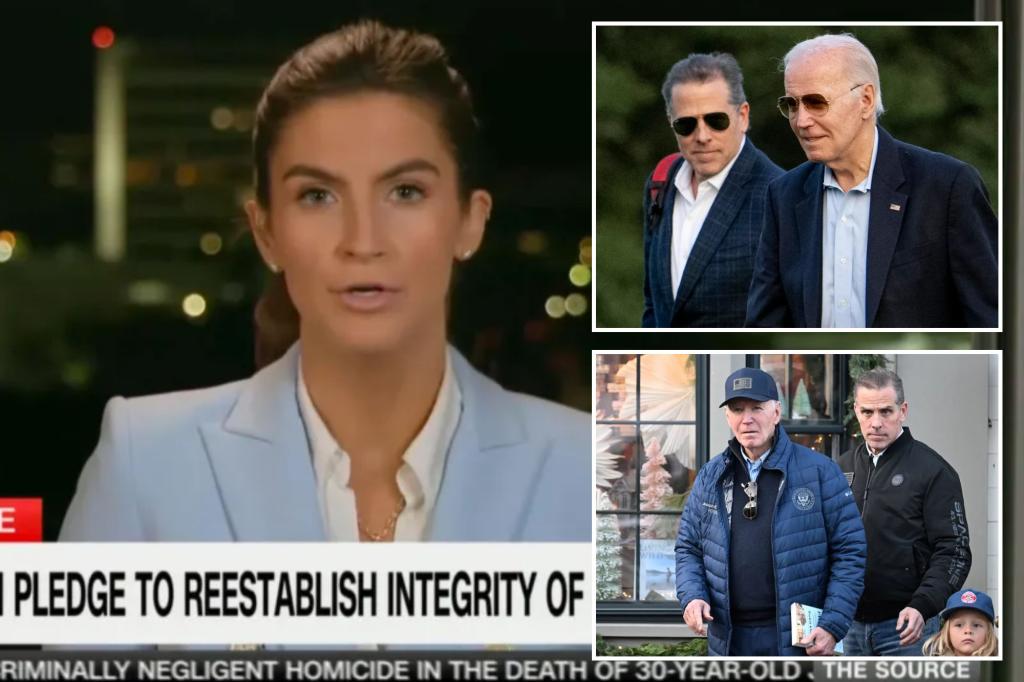
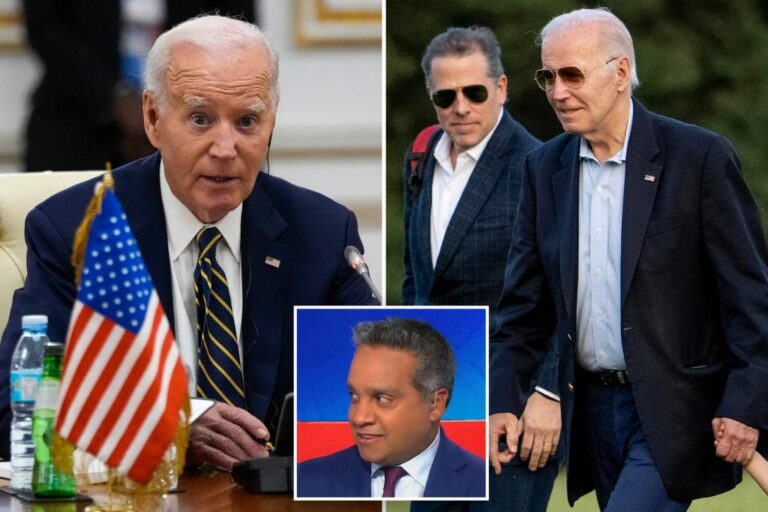
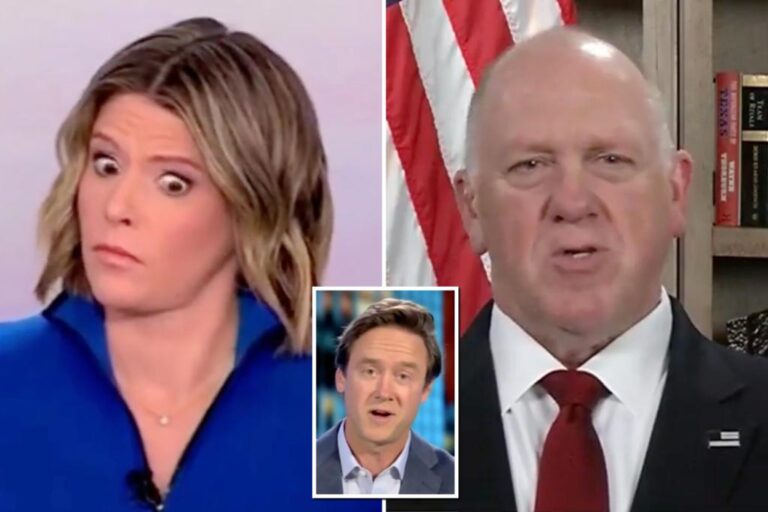
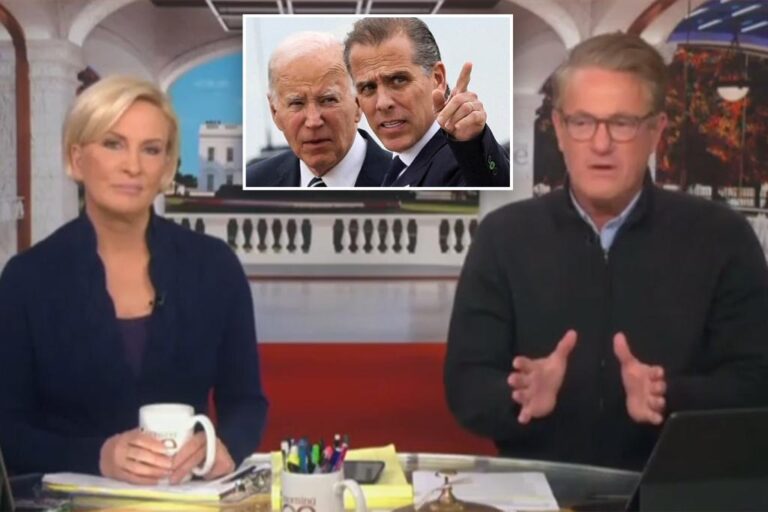
The political world was rocked this week when President Joe Biden officially pardoned his son, Hunter Biden, sparking a storm of reactions across party lines. Among the most striking responses came from CNN anchor Kaitlan Collins, who described the move as a “political time bomb” with the potential to damage Democrats across the board. Collins, known for her sharp political analysis and measured tone, warned that the president’s controversial decision could leave members of his own party within the “blast radius” of public backlash.
The Hunter Biden controversy has long been a sensitive topic for the administration. While supporters defend the president’s personal loyalty as a father, critics argue that the pardon undermines public trust and reinforces perceptions of political favoritism. Collins’ remarks have reignited debate not only about the ethics of the decision but also about the strategic cost to the Democratic Party ahead of future elections.
Development
A Pardon That Shocked Washington
When news broke that President Biden had granted a full pardon to his son, Hunter Biden, reactions from both the political left and right were immediate and intense. The pardon followed years of scrutiny over Hunter’s legal troubles — including tax issues, firearm charges, and questions surrounding his foreign business dealings.
While the president cited “compassion, fairness, and family loyalty” as motivations, political observers quickly pointed out the potential fallout. Kaitlan Collins, speaking on CNN’s The Source, warned that the decision could have “lasting repercussions,” calling it a “political time bomb” set to detonate at the worst possible moment for Democrats.
“This isn’t just about optics,” Collins said during her segment. “It’s about how voters perceive integrity and accountability — especially in a time when Americans are already skeptical of political elites.”
The ‘Blast Radius’ of Controversy
Collins’ metaphor of a “blast radius” resonated with political analysts and social media commentators alike. She suggested that the president’s move not only exposes himself to criticism but also places vulnerable Democratic lawmakers in difficult positions heading into the next election cycle.
According to her analysis, Republicans will likely weaponize the pardon as evidence of double standards within the justice system — an argument that could erode Democratic messaging on transparency and ethics. “Every Democrat up for re-election will now have to answer for this,” Collins emphasized. “It’s not just a Biden family issue anymore — it’s a party-wide problem.”
GOP Reactions: ‘Proof of Corruption’
Within hours of the announcement, Republican leaders seized on the news. House Speaker Mike Johnson called the pardon “an outrageous abuse of power,” while Senator Ted Cruz labeled it “a cover-up in broad daylight.” Conservative media outlets amplified these claims, framing the event as the ultimate example of political privilege.
Political strategist Mark Lotter told Fox News that the move “hands Republicans a gift-wrapped talking point” for the next campaign season. “Every time Democrats try to talk about accountability, we’ll point to this,” Lotter said. “It’s indefensible.”
Democratic Divide and Strategic Dilemmas
While most Democrats publicly supported the president, sources within the party described private unease. Moderate members expressed concern that the pardon would alienate independent voters already disillusioned with Washington politics.
A Democratic aide speaking anonymously to Politico said, “The president might have been acting as a father, but politically, it was a miscalculation. We’re already fighting misinformation and distrust — this only makes that battle harder.”
Some progressives, however, defended the move as a humane act. “Hunter has been through enough,” said Representative Alexandria Ocasio-Cortez. “We can’t let compassion become a political liability.” Yet others worry that defending personal compassion won’t offset the public perception of corruption, particularly in swing states.
Media Landscape and Partisan Narratives
The Hunter Biden pardon reignited the ongoing media polarization surrounding the Biden family. Right-wing networks framed the decision as a sign of institutional decay, while liberal commentators attempted to reframe it as an act of empathy.
Kaitlan Collins, one of CNN’s most respected anchors, chose a middle ground. Her commentary highlighted the ethical and political implications without resorting to partisan rhetoric. “Journalistically, it’s our job to ask whether this sets a precedent,” Collins said. “If a sitting president can pardon his own family without repercussions, where does the line of accountability end?”
Her question resonated deeply across social media platforms, sparking thousands of discussions about the limits of presidential power. Even some Democratic strategists admitted privately that the story’s persistence could distract from policy achievements the administration hoped to highlight.
Public Reaction: Sympathy vs. Skepticism
Public opinion on the pardon remains divided. According to a Morning Consult poll conducted after the announcement, 45% of voters viewed the pardon negatively, while 38% expressed sympathy for the president’s personal situation. Among independents — a crucial demographic for Democrats — nearly 60% described the move as “politically motivated.”
This data underscores Collins’ warning: the emotional nuance of a father’s compassion does not necessarily translate to political forgiveness. “Voters might understand the human side,” she noted, “but that doesn’t mean they’ll approve of the political consequences.”
A Pattern of Political Self-Inflicted Wounds
Some analysts have compared this controversy to past presidential missteps, suggesting that the pardon could join the list of “self-inflicted wounds” that haunt administrations. Similar to how Bill Clinton’s scandals or Donald Trump’s legal entanglements shaped public perception, the Hunter Biden pardon might reinforce long-standing narratives about family entanglement and privilege in politics.
“The difference,” said political historian James Rutledge, “is that Biden ran on integrity. Anything that threatens that brand — even if well-intentioned — can do lasting damage.”
Timing and the 2026 Midterms
Another critical factor is timing. The pardon arrived just as Democrats began strategizing for the 2026 midterm elections, where maintaining control of Congress will be essential. Republicans are expected to use the scandal to mobilize their base and sway independents, particularly in battleground districts.
Kaitlan Collins warned that the issue could “linger like political radiation” well into the next cycle. “Even if voters move on,” she said, “the opposition won’t let them forget. This story will resurface every time integrity becomes part of the debate.”
The Human Element: A Father’s Dilemma
Despite the political chaos, many observers acknowledge the deeply personal aspect of the decision. President Biden’s long history of family tragedy — including the deaths of his first wife and son Beau — is well-documented. His devotion to his surviving son, Hunter, has often been portrayed as a reflection of that pain.
For supporters, the pardon represents a father’s unconditional love and desire to protect his family. But critics argue that personal empathy cannot override institutional responsibility. “This was an impossible choice,” said psychologist Dr. Melinda Carter. “He had to choose between his moral role as a father and his constitutional role as president.”
Collins’ Role as a Political Voice
Kaitlan Collins’ commentary stands out because it bridges empathy and accountability. Unlike partisan pundits, she focuses on the political consequences without demonizing personal emotion. Her framing of the pardon as a “political time bomb” illustrates a nuanced understanding of how scandal, perception, and emotion intersect in American politics.
Her analysis reflects a growing recognition in journalism that voters care as much about emotional truth as factual accuracy. “Politics today,” Collins concluded, “is as much about feelings as it is about facts. Ignoring that reality is a mistake neither party can afford.”
FAQ – Frequently Asked Questions
1. What exactly did President Biden pardon Hunter Biden for?
Hunter received a full presidential pardon related to tax and firearm charges that had been part of ongoing legal disputes.
2. Why did Kaitlan Collins call it a ‘political time bomb’?
Because the pardon could damage Democrats politically, especially among independents who value transparency and accountability.
3. How have Republicans reacted to the pardon?
They’ve called it corrupt and an abuse of power, using it as evidence of a “two-tiered justice system.”
4. Did all Democrats support the decision?
No. While most defended the president publicly, some expressed private concern about the political fallout.
5. What do polls show about public opinion?
Early surveys indicate that most independents disapprove of the pardon, while Democratic voters are split.
6. Could this affect the 2026 midterm elections?
Yes. Analysts warn it could be used as a major talking point against Democrats, especially in tight races.
7. Is it legal for a president to pardon a family member?
Yes. The U.S. Constitution grants presidents broad pardon powers, though doing so is politically risky.
8. Has any president done something similar before?
Few have pardoned close family members; the most famous example remains Bill Clinton’s controversial pardons in 2001.
9. What has the White House said about the criticism?
Officials maintain that the decision was personal, not political, and reflect the president’s compassion as a parent.
10. What does this event mean for Biden’s legacy?
It introduces a complex legacy moment — one that blends empathy and controversy, loyalty and risk — and could define public perception for years.
Conclusion
Kaitlan Collins’ description of Hunter Biden’s pardon as a “political time bomb” captures the essence of Washington’s latest controversy: a collision between personal love and public duty. For Democrats, it represents both a test of loyalty and a political vulnerability that could echo through future elections. For Republicans, it’s an opportunity to reinforce their message about accountability and double standards.
As Collins predicted, the “blast radius” of this decision extends beyond the Oval Office — affecting party narratives, media discourse, and the fragile trust between politicians and the public. Whether the explosion fades quickly or leaves lasting scars will depend on how the Biden administration navigates the months ahead.
But one thing is certain: in the age of relentless media scrutiny, even acts of compassion can become acts of political consequence. And as this latest chapter unfolds, the nation watches — torn between understanding a father’s heart and questioning a president’s judgment.