See if your old iPhone can be traded in for credit on a new purchase
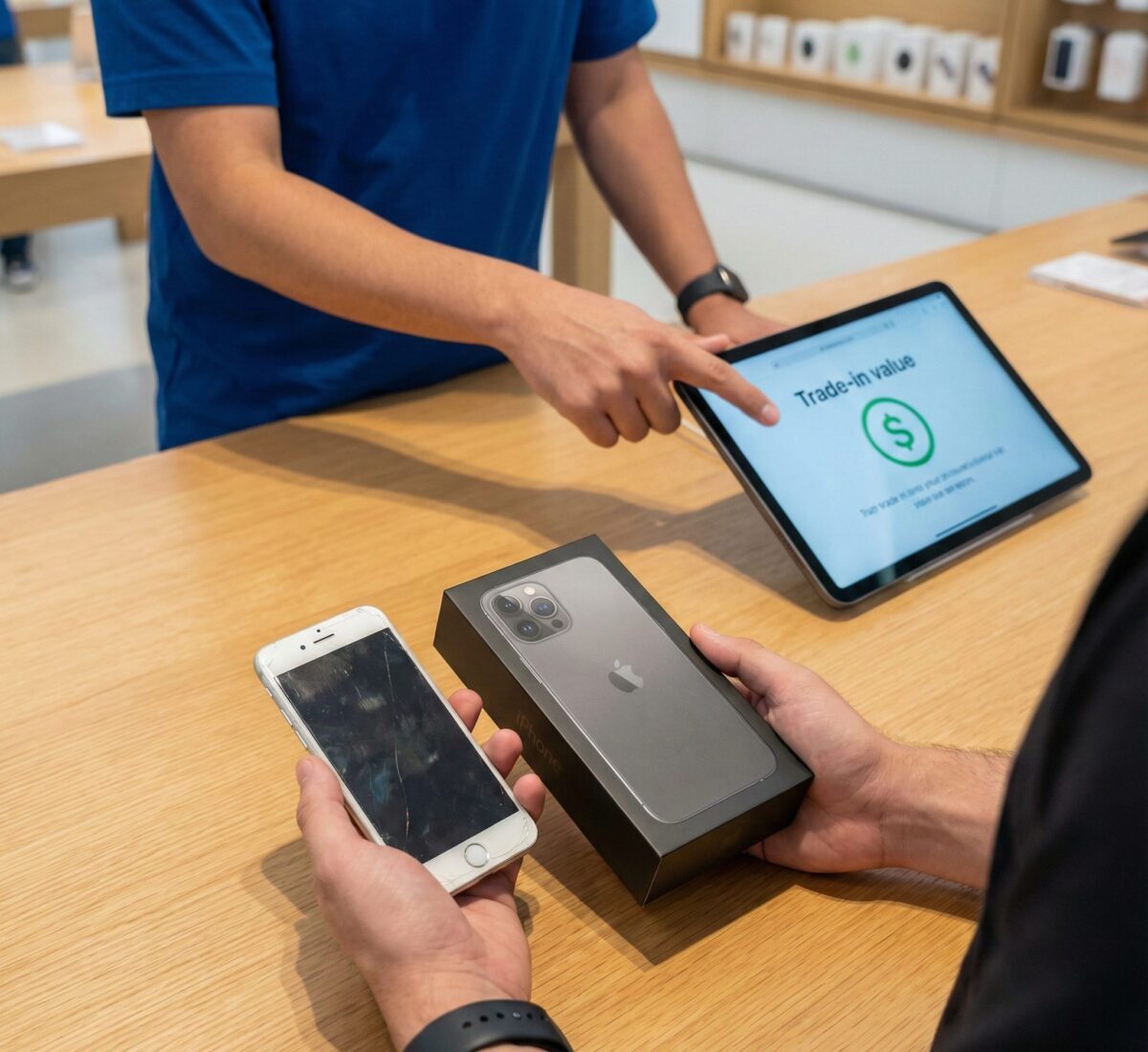
Trading in an old iPhone has become one of the most practical ways to save money when upgrading to a newer model. With the evolution of Apple’s trade‑in programs and partnerships with major retailers, users can now turn their older devices into instant credits or discounts toward a brand‑new iPhone, Apple Watch, or MacBook. This strategy not only helps reduce electronic waste but also makes premium technology more accessible.
In this article, you’ll learn how Apple’s trade‑in system works, how to check your device’s eligibility, what models are currently accepted, and how to get the highest possible value for your iPhone. We’ll also explore alternative trade‑in options through carriers and authorized resellers, along with tips for preparing your phone before sending it in.
How the Apple Trade‑In Program Works
Apple’s Trade‑In Program allows customers to exchange an eligible iPhone for credit that can be applied toward the purchase of a new device. The process is simple: Apple assesses your iPhone’s model, storage, and condition, then provides an estimated trade‑in value. If you accept the quote, you can either receive an instant credit in‑store or a refund applied to your payment method if trading online.
The credit value depends on the device’s age, condition, and functionality. For example, an iPhone 14 Pro Max in excellent shape might yield several hundred dollars, while older models like the iPhone 8 or XR may offer modest values but still meaningful savings.
Current Estimated Trade‑In Values
As of late 2025, approximate trade‑in values through Apple’s official program are as follows (subject to variation by region and device condition):
- iPhone 14 Pro Max: up to $720
- iPhone 14: up to $580
- iPhone 13 Pro: up to $520
- iPhone 12: up to $400
- iPhone 11: up to $300
- iPhone SE (2nd Gen): around $150
Even older iPhones can qualify for recycling, and while they might not bring direct credit, Apple disposes of them responsibly to recover valuable materials like aluminum, lithium, and rare earth elements.
Where and How to Trade In Your iPhone
You can trade in your iPhone through Apple Stores, the official website, or partner retailers such as Best Buy, Verizon, and AT&T. The process typically includes:
- Visiting Apple’s Trade‑In webpage to check your model’s eligibility.
- Entering your iPhone’s serial number or selecting it from the list.
- Receiving a preliminary quote.
- Confirming the trade‑in online or scheduling an in‑store visit.
If done online, Apple will send a prepaid shipping kit so you can send your old iPhone safely. After the inspection, you’ll receive the final confirmed value.
Maximizing Your Trade‑In Value
To get the best possible credit, consider the following steps before trading your phone:
- Clean and reset the device: Remove fingerprints, dust, and reset to factory settings.
- Fix minor issues: Replace cracked screens or faulty batteries if the repair cost is reasonable.
- Include original accessories: Having the box and charger can increase perceived value.
- Trade early: The older your device, the faster its value depreciates.
Apple evaluates each device on appearance, performance, and overall functionality, so attention to detail makes a difference.
Carrier and Retailer Trade‑In Alternatives
Many mobile carriers offer trade‑in programs that can be even more advantageous under specific promotions. For example:
- Verizon Trade‑In: Occasionally provides enhanced credit when switching plans or upgrading lines.
- AT&T Trade‑In: Offers up to $800 credit for newer devices when signing eligible contracts.
- T‑Mobile Upgrade Program: Allows subscribers to exchange iPhones annually through Jump! or Magenta MAX plans.
- Best Buy Trade‑In: Accepts Apple devices and issues gift cards valid for future purchases.
Each program has its own conditions, so it’s wise to compare offers to see where your old iPhone will earn the highest return.
International Trade‑In Options
Apple’s trade‑in initiative isn’t limited to the United States. The company has expanded the program across Europe, Latin America, and Asia. In Brazil, for example, trade‑in credits can be applied to purchases at the Apple Store Online or authorized resellers, while in Europe, many countries already offer in‑store evaluations.
These programs help reduce the environmental footprint of electronics while giving consumers more flexibility when upgrading their devices.
Preparing Your iPhone for Trade‑In
Before sending your device, make sure it’s ready for evaluation:
- Backup all data via iCloud or iTunes.
- Sign out of iCloud and Apple ID to disable Activation Lock.
- Erase all content and settings.
- Remove SIM or eSIM profiles.
- Clean the phone physically with a soft cloth.
Apple requires that Activation Lock be turned off, or the trade‑in will be refused. Double‑checking these steps ensures a smooth and secure process.
What Happens to Your Old iPhone
Once traded in, your old iPhone goes through a sustainability process. Apple’s recycling system recovers materials for reuse in future products. Devices in good condition are refurbished and resold as certified refurbished units, while older or damaged ones are disassembled by the Daisy robot, Apple’s recycling machine.
This initiative aligns with Apple’s commitment to being carbon neutral by 2030, reducing the company’s dependence on mining and ensuring a circular product life cycle.
Is It Better to Sell or Trade In?
While Apple’s trade‑in program is convenient and secure, selling your iPhone privately can sometimes yield higher returns. Platforms such as Swappa, eBay, and Facebook Marketplace often offer better prices for devices in great condition. However, those methods require more effort, like handling buyers, payments, and shipping.
Trading in through Apple or a carrier is faster, safer, and guarantees immediate credit, even if the payout is slightly lower.
Best Times of Year to Trade In
The best moment to trade in an iPhone is typically right before Apple’s new product announcements, usually in September. Once the new iPhone lineup is revealed, older models depreciate rapidly. Therefore, trading in just before the new release often results in a higher valuation.
Another good time is during holiday seasons or major promotions, such as Black Friday, when retailers add extra bonuses to trade‑ins to encourage purchases.
Environmental and Financial Benefits
Apple’s trade‑in system creates both economic and ecological advantages. Financially, customers save money on new devices, while environmentally, Apple reduces electronic waste and recycles precious materials efficiently. The process demonstrates how sustainable business practices can align with consumer convenience.
By trading in rather than discarding devices, users contribute to the global effort to reduce carbon emissions and extend the useful life of valuable components.
FAQ — Frequently Asked Questions
1. Can I trade in any iPhone model?
Most models from the iPhone 7 onward are eligible for trade‑in credit, depending on condition.
2. Do I need the original box or charger?
No, but including them can sometimes increase your device’s resale value.
3. How long does it take to receive credit?
In‑store trades provide instant credit, while online evaluations typically take 5–10 business days.
4. What if my phone doesn’t qualify for credit?
Apple will recycle it for free, ensuring environmentally responsible disposal.
5. Can I trade in a damaged iPhone?
Yes, but cracked screens or battery issues reduce its value.
6. Are trade‑in promotions available year‑round?
Yes, but higher credit offers usually appear around new product launches or major sales events.
7. Can I trade in multiple devices?
Yes. You can trade multiple Apple products in one purchase transaction.
8. What happens if Apple revises my quote?
If your iPhone’s condition doesn’t match your description, Apple will offer a new quote or return the device.
9. Can I trade in through carriers instead?
Absolutely. Verizon, AT&T, and T‑Mobile all have active trade‑in programs.
10. Is Apple’s Trade‑In Program safe?
Yes. It’s handled directly by Apple or its verified partners, with full data privacy and environmental compliance.
Conclusion
Trading in your old iPhone is one of the smartest and most sustainable ways to upgrade to the latest model. Whether you’re purchasing an iPhone 15, 16, or future edition, the Apple Trade‑In Program offers immediate financial benefits and contributes to environmental conservation. With proper preparation and timing, you can maximize the value of your device and enjoy a smoother transition to your next purchase.
Before upgrading, evaluate your device’s current market value, compare offers among Apple, carriers, and resellers, and choose the most convenient and profitable option. By doing so, you ensure your investment continues to pay off — both for your wallet and for the planet.