
See if stores have already lowered prices on new iPhones
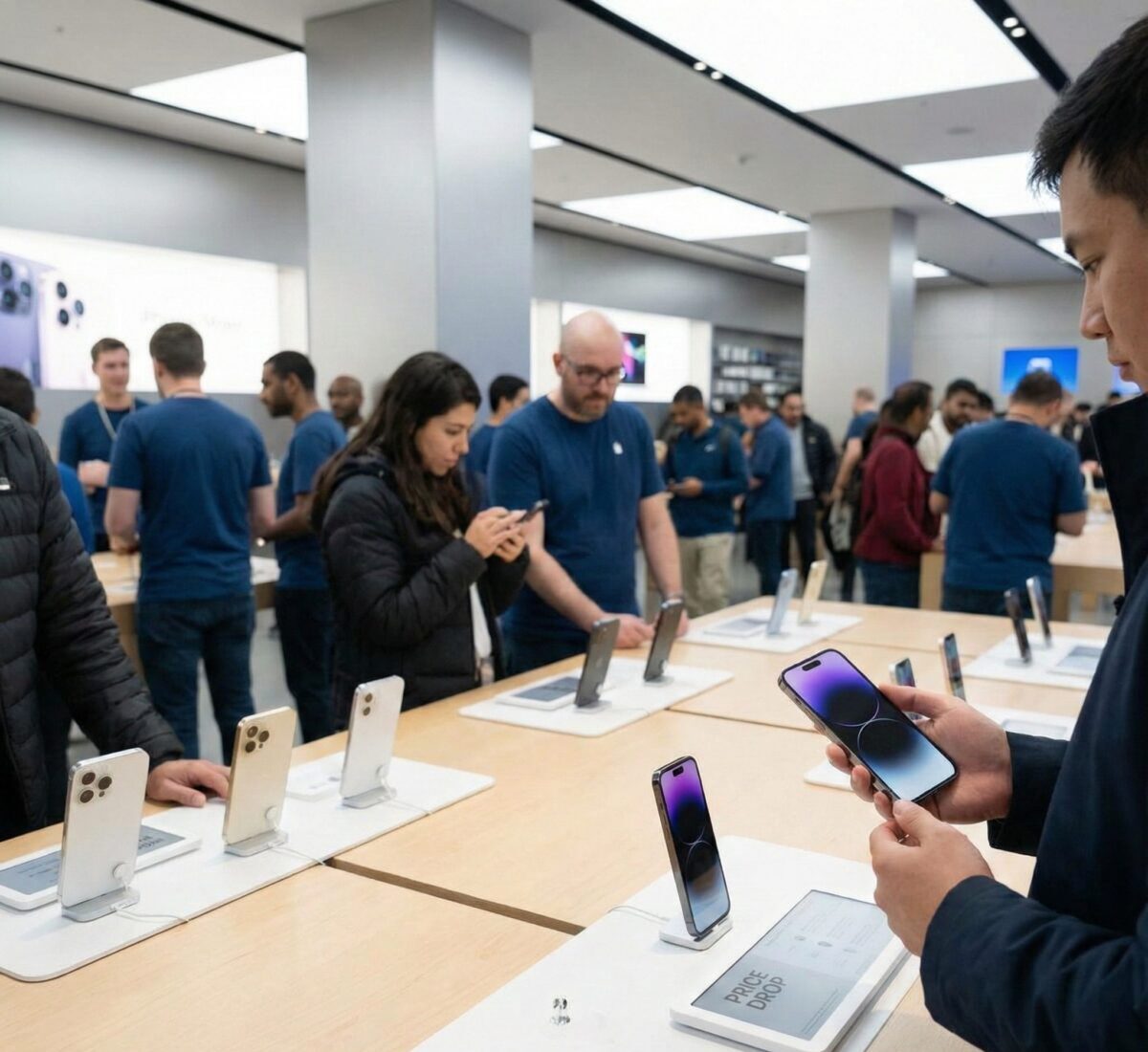
With the arrival of the new iPhone lineup, shoppers around the world are eagerly watching for signs of price drops and early deals. Each release cycle brings a mix of excitement and strategy — while some buyers rush to secure the latest model, others wait for promotions and bundle discounts that often appear weeks later. The question on everyone’s mind is whether stores have already lowered prices on new iPhones or if it’s still too soon to catch a good deal.
- See if the Samsung Galaxy A55 is priced lower right now
- See if your old iPhone can be traded in for credit on a new purchase
- See if Black Friday deals already include free shipping
- See if there are refurbished iPhones with warranty on sale
- See if your iPhone model went on sale this week
In this article, we’ll explore the current price trends for new iPhones, analyzing how major retailers, carriers, and Apple’s own stores are adjusting their pricing in response to global demand. You’ll also learn where to find the most competitive offers, how to use trade‑in credits effectively, and when the best time to buy might be — especially with Black Friday and holiday sales just around the corner.
Current market trends for new iPhones
Every year, Apple launches its new iPhones with premium pricing, but as months go by, price adjustments tend to occur due to market competition. In 2025, this pattern has continued, with several online and physical retailers already offering discounts on the iPhone 15 and iPhone 15 Pro models. These early markdowns are driven by stock rotation, exchange‑rate fluctuations, and the anticipation of the next‑generation iPhone release.
Retailers like Amazon, Best Buy, Walmart, and Target have begun listing limited‑time offers, often tied to carrier activation bonuses or bundle incentives, such as AirPods or AppleCare+ discounts. These promotions are especially common during the first quarter after launch, as stores aim to attract consumers who hesitated at the initial full price.
Why prices drop after launch
Price reductions on new iPhones happen for a few strategic reasons:
- Inventory turnover: Retailers need to make room for new shipments and color variants.
- Carrier partnerships: Mobile carriers subsidize part of the cost to attract new subscribers.
- Seasonal promotions: Periods like Black Friday, Cyber Monday, and back‑to‑school often bring aggressive discounts.
- Trade‑in programs: Apple and authorized resellers encourage customers to upgrade by offering credit for older devices.
These factors combine to create a competitive environment where consumers can find genuine deals, especially if they compare prices across multiple platforms.
Apple Store vs. authorized resellers
While the Apple Store is known for keeping official prices stable for several months, authorized resellers such as Amazon, B&H, and carriers like Verizon or AT&T often provide flexible pricing sooner. Apple tends to maintain pricing discipline to protect brand perception, while resellers use discounts as a way to boost traffic and clear specific models or storage configurations.
In early 2025, for instance, several carriers have offered trade‑in bonuses of up to $700 credit when purchasing a new iPhone 15 Pro under a qualifying plan. Some resellers have also started offering open‑box units or certified refurbished versions at reduced prices, expanding access for budget‑conscious buyers.
How to find current discounts effectively
To stay updated on whether stores have lowered iPhone prices, it’s best to use price‑tracking tools and official retailer apps. Platforms like Honey, CamelCamelCamel, and Google Shopping can monitor price changes and send alerts when discounts appear.
Additionally, checking Apple’s trade‑in page or your carrier’s upgrade section can reveal limited‑time incentives that aren’t widely advertised. Some of these deals include free accessories, extended warranties, or monthly installment reductions.
International price variations
Apple products are subject to currency exchange rates and local taxes, which means the price of a new iPhone varies widely by country. In Brazil, for example, iPhones remain among the most expensive due to import duties, while in the U.S. and Japan, early discounts tend to appear faster. European markets often see gradual markdowns at chain retailers like MediaMarkt or Fnac within three months of launch.
For travelers or international shoppers, it can be advantageous to purchase abroad where taxes are lower, but always check warranty coverage, since AppleCare+ protection can differ by region.
The influence of trade‑in programs
Trade‑in programs have become one of the most effective tools for reducing the effective cost of a new iPhone. In 2025, Apple’s official program accepts older models up to the iPhone 12 and offers instant credit applicable at checkout. Many carriers match or exceed Apple’s trade‑in offers when tied to multi‑year contracts.
For example, trading in an iPhone 13 Pro could yield a $500–$600 discount toward an iPhone 15 Pro Max, depending on condition and storage capacity. Retailers often combine this with additional perks, such as 0% financing or free subscriptions to Apple Music and iCloud.
Seasonal promotions and when to buy
Historically, the best time to buy a new iPhone is between November and February, when holiday sales, Black Friday, and post‑Christmas promotions overlap. In mid‑2025, several retailers are expected to run early summer clearance events, offering 5–15% off selected models.
If you can wait a few months after launch, the potential savings increase significantly. By the time the next iPhone generation is announced, discounts on the previous model can reach up to 20%, particularly for higher‑capacity versions or less popular colors.
Comparing online and in‑store prices
While online shopping platforms often provide the lowest prices due to lower operating costs, physical stores can offer additional value through instant trade‑in, immediate device setup, and hands‑on assistance. Some even allow same‑day pickup or exclusive in‑store bundles that aren’t available online.
For instance, Best Buy frequently includes discounts on AppleCare+ or accessories like cases and chargers for customers who purchase in person. Checking both channels before making a decision ensures the best possible deal.
Payment options and financing flexibility
Another reason stores may lower prices is the availability of installment plans and financing promotions. Apple and major retailers now offer interest‑free monthly payments for up to 12 or 24 months, reducing the financial burden for consumers. Combined with cashback credit cards or loyalty points, this can translate to additional savings.
Carriers also use financing to lock in customers with long‑term plans, sometimes offering a new iPhone for $0 down payment in exchange for a service commitment. These options make the device more accessible without compromising its premium status.
Signs that a new price cut is coming
Monitoring news about Apple’s supply chain and product launches can give early hints of upcoming price drops. When new models enter production or leaks confirm their features, retailers often begin adjusting prices on current stock. Similarly, when Apple introduces new colors or limited editions, older variants tend to go on sale.
Sites like MacRumors, 9to5Mac, and The Verge frequently track these movements and announce promotional events in advance. Setting up notifications ensures you don’t miss out on temporary offers that can vanish within hours.
FAQ — Frequently Asked Questions
1. Have stores already reduced prices on new iPhones?
Yes, select retailers and carriers have begun offering small discounts and trade‑in bonuses.
2. Is it cheaper to buy directly from Apple or from a reseller?
Resellers often provide better deals, but Apple guarantees official warranty and authenticity.
3. When is the best time to buy a new iPhone?
Typically around Black Friday, post‑holiday sales, and when the next model is announced.
4. Are the discounts the same in all countries?
No. Prices depend on local taxes, currency rates, and Apple’s regional pricing policy.
5. Can I combine trade‑in with other promotions?
Yes, many stores allow stacking trade‑in credit with seasonal discounts.
6. Do refurbished or open‑box iPhones qualify as new?
No, but they can offer up to 25% lower prices and full warranty coverage.
7. Are carrier plans worth it for cheaper iPhones?
Yes, but always check the total contract cost and potential lock‑in period.
8. Will prices drop further in 2025?
Likely yes, especially mid‑year as new production cycles begin.
9. Can I track price history?
Yes, use tools like CamelCamelCamel or Keepa for Amazon listings.
10. Are financing plans better than paying upfront?
For many users, yes — especially if the financing is interest‑free.
Conclusion
If you’re wondering whether stores have already lowered prices on new iPhones, the answer is yes — but selectively. Early 2025 has brought modest discounts, mainly through carrier promotions, trade‑ins, and limited‑time sales from authorized resellers. Apple’s own pricing remains stable, but savvy shoppers can still save hundreds by comparing platforms and using credit incentives.
The key is patience and vigilance. By monitoring trusted retailers, using price‑tracking tools, and timing your purchase around major promotional periods, you can secure the latest iPhone model at a competitive rate without compromising quality or warranty.