
Siesta Key Billionaire Loses $2 Million on Miami Home Sale
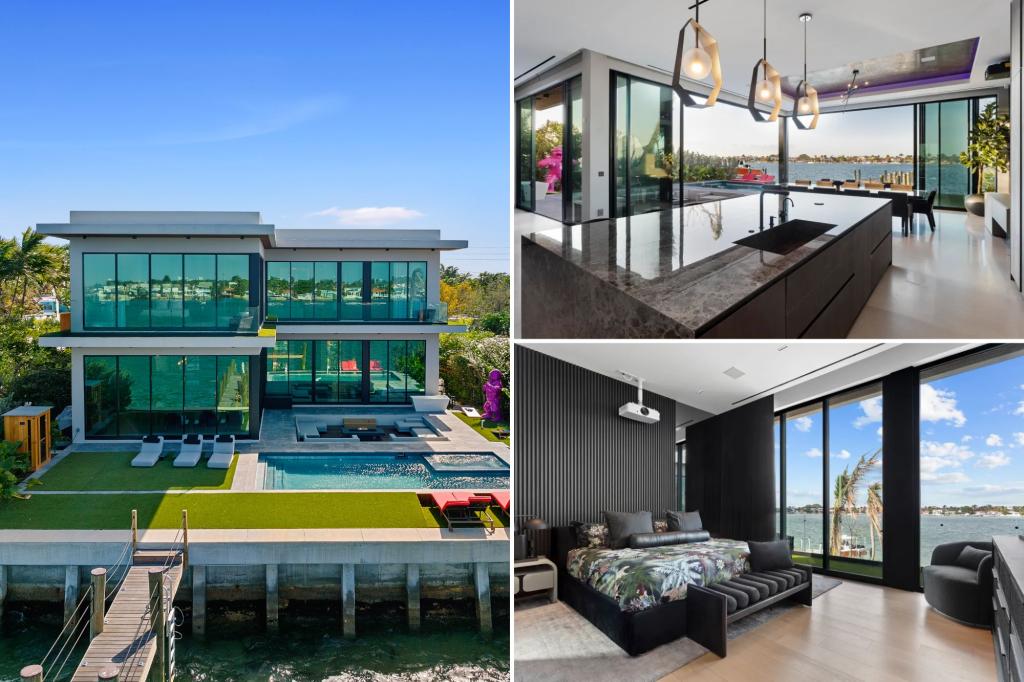
In the high-stakes world of luxury real estate, even billionaires are not immune to financial setbacks. This week, headlines turned to Florida’s Gulf Coast and South Florida’s booming property scene as reports surfaced that a Siesta Key billionaire—long known for his lavish investments and beachside empire—lost nearly $2 million on the sale of his Miami mansion. The loss comes amid a shifting housing market where rising interest rates and fluctuating demand are reshaping the ultra-luxury sector.
While such losses might seem minor in billionaire terms, they highlight broader trends: a cooling luxury market, evolving buyer preferences, and the unpredictable dynamics of Florida’s real estate surge. The sale also raises questions about how even high-net-worth investors are navigating the changing tides of Florida’s property boom.
Development
A Record Purchase Turns Costly
The Siesta Key billionaire in question—whose name remains private due to confidentiality clauses in the transaction—purchased the Miami home in early 2022 at the peak of South Florida’s pandemic-fueled housing frenzy. The property, located in the exclusive Bay Point neighborhood, was originally bought for $14.5 million, a price reflecting the area’s skyrocketing demand at the time.
 The Best Luxury Beauty, Fragrance and Makeup Gifts for 2025
 Christopher John Rogers for J.Crew, omakase in Dumbo, more NYC events
 The Most Stylish Gifts for Men on Your 2025 Holiday List
 This secret ‘flower power’ hack helps agents sell luxury apartments
However, according to public property records and industry insiders, the same mansion recently sold for just under $12.5 million, representing an approximate $2 million loss after fees, taxes, and renovations. Real estate agents familiar with the deal point to a combination of factors: market correction, shifting buyer priorities, and the cooling of speculative luxury investments.
Inside the Property
The 10,000-square-foot mansion is nothing short of spectacular. With sweeping views of Biscayne Bay, the residence features seven bedrooms, a private dock, a saltwater infinity pool, and interiors designed by a top Miami architect. Italian marble, custom oak floors, and a climate-controlled wine cellar reflect the no-expense-spared design typical of Florida’s billionaire properties.
Despite these features, market experts suggest that the home’s ultra-modern aesthetic may have limited its appeal in a city where architectural tastes are rapidly evolving. “Buyers in 2025 are looking for more than glass and glamour—they want sustainability, privacy, and long-term value,” said Nora Villalobos, a luxury real estate consultant based in Coral Gables. “The shift is subtle but significant.”
 Give Comfort, Joy and Sparkle With These Stylish Gifts
 15 gourmet gifts for food holidays in 2025
 Exclusive | Sweaters, PJs and Summer Hallmark star Lacey Chabert will be cozying up this Christmas
 Four Seasons New York Returns, Etēline in Chelsea, More NYC Events
Florida’s Luxury Market Slowdown
Florida’s luxury real estate market has undergone dramatic shifts over the past three years. The pandemic created an unprecedented influx of wealthy buyers seeking sunshine, low taxes, and remote-work freedom. But as interest rates rise and global economic uncertainty lingers, even high-end properties have begun to feel the chill.
According to data from Douglas Elliman Real Estate, luxury home sales in Miami-Dade County dropped nearly 18% year-over-year in 2024, with inventory levels climbing back to pre-pandemic norms. While prices remain higher than 2019 levels, bidding wars and cash-only deals have cooled significantly.
“Markets move in cycles,” explained Jonathan Harris, an economist specializing in real estate trends. “What we’re seeing isn’t a collapse—it’s a normalization. The Florida luxury sector is stabilizing after three years of explosive, unsustainable growth.”
 The Hot New Trend? A Non-Surgical Facelift With No Downtime
 Telfar’s Broadway flagship, Paris Bar at Le Meridien, more NYC events
 Exclusive | ‘Luanes’ star Genesis Rodriguez in her favorite bag, bikini and coffee

From Siesta Key to South Beach: A Tale of Two Markets
The billionaire’s primary residence remains in Siesta Key, a pristine barrier island on Florida’s Gulf Coast known for its quartz-white sand and multimillion-dollar waterfront estates. Over the years, the entrepreneur has been linked to a variety of industries, including tech startups, marine construction, and environmental philanthropy.
His decision to purchase a second property in Miami was seen as an investment in Florida’s growing cosmopolitan appeal—a chance to connect business interests in Sarasota with global opportunities in Miami’s international financial scene. But as property values fluctuated, that calculated risk turned into an unexpected financial hit.
Siesta Key’s market has also experienced mild slowdowns, though not as sharply as Miami’s. “The Gulf Coast luxury sector is more insulated,” said Lauren Scott, a Sarasota-based broker. “We’re not seeing the same level of correction as Miami because our buyers are mostly end-users—people buying for lifestyle, not speculation.”
Four Seasons New York Returns, Etēline in Chelsea, More NYC Events
Exclusive | ‘Luanes’ star Genesis Rodriguez in her favorite bag, bikini and coffee
 Shop five of Manhattan’s famous multi-brand designer boutiques
The Role of Rising Interest Rates
One of the biggest culprits behind luxury losses is the Federal Reserve’s prolonged interest rate hikes. Higher mortgage rates have cooled enthusiasm even among wealthy buyers who typically rely on financing for large purchases. This trend is particularly evident in Florida, where many luxury homes are leveraged as investment vehicles rather than primary residences.
Even though the Siesta Key billionaire’s loss represents a small fraction of his overall portfolio, the transaction underscores how macroeconomic shifts affect all tiers of the market. “Luxury buyers are more cautious,” said Harris, the economist. “They’re focusing on liquidity and diversification rather than tying up capital in trophy properties.”
Shifting Buyer Priorities
Real estate analysts note that today’s buyers are seeking different values than those that dominated the market in 2020–2022. The allure of big, glossy mansions with expansive glass walls is giving way to properties emphasizing privacy, energy efficiency, and community integration.
Architect Marta Perez, who has designed several high-end homes in South Florida, described the change as “a pivot from spectacle to sustainability.” She explained, “Even billionaires are looking for meaning in their purchases now. They want homes that are self-sufficient, eco-conscious, and designed to last.”
Miami’s Competitive Landscape
Another factor behind the billionaire’s loss is the sheer competition within Miami’s ultra-luxury market. With record numbers of domestic and international investors flocking to Florida in recent years, the market became oversaturated with new listings priced at or above $10 million.
Developers, eager to cash in on the boom, launched dozens of high-end projects along Biscayne Bay and Miami Beach, often within the same architectural style. This uniformity led to “luxury fatigue,” where buyers began prioritizing unique offerings and personal touches over status symbols.
“When the market was hot, everyone wanted a sleek glass mansion,” said David Morales, a Miami real estate agent specializing in luxury resales. “Now, buyers want warmth—something that feels like home, not just an investment portfolio line item.”
The Broader Implications for Florida’s Billionaires
The Siesta Key billionaire’s experience isn’t an isolated one. Other prominent figures in Florida’s elite circles have also faced recent real estate corrections. In Palm Beach, a hedge fund executive reportedly sold a waterfront property for nearly $5 million below its purchase price. Similarly, in Naples, several oceanfront estates lingered on the market for months before seeing price cuts.
Despite the softening, analysts remain optimistic about Florida’s long-term outlook. The state continues to attract new residents, particularly from high-tax states like New York and California. As population growth and business migration persist, demand for quality housing remains robust—just at a more sustainable pace.
What This Means for the Market Ahead
While the billionaire’s $2 million loss may grab headlines, it’s a sign of market recalibration rather than crisis. Experts believe that 2025 will be defined by strategic pricing, realistic expectations, and a return to fundamentals.
“Gone are the days of guaranteed appreciation,” said Villalobos, the Coral Gables consultant. “Buyers and sellers alike must adapt to a smarter, more measured market.”
For billionaires and average homeowners alike, this means being mindful of timing, property uniqueness, and long-term value. In Miami’s competitive market, even a small miscalculation in timing or pricing can lead to million-dollar swings.
A Symbol of Market Maturity
Ultimately, the Siesta Key billionaire’s loss represents more than a financial figure—it’s a sign that Florida’s real estate boom is entering a new phase. The market is maturing, transitioning from speculative excess to sustainable growth. Investors are becoming savvier, and buyers are increasingly selective.
While luxury demand remains strong, the next chapter of Florida’s property story will prioritize substance over spectacle—homes that offer not just prestige, but purpose. And for those like the Siesta Key mogul, a temporary setback may simply pave the way for smarter, more strategic investments in the years to come.
FAQ – Frequently Asked Questions
- Who is the Siesta Key billionaire mentioned in the report?
The individual’s identity remains confidential due to nondisclosure agreements tied to the real estate transaction. - How much did the billionaire lose on the Miami home sale?
Roughly $2 million, after accounting for selling costs, taxes, and renovation expenses. - Where was the property located?
In the exclusive Bay Point neighborhood of Miami, known for its waterfront estates and celebrity residents. - Why did the property sell for less than its purchase price?
Experts cite a market correction, changing buyer preferences, and rising competition within Miami’s luxury sector. - Is Florida’s luxury real estate market crashing?
No. The market is stabilizing after an intense period of pandemic-driven growth, reflecting a more sustainable pace. - How are rising interest rates affecting luxury buyers?
Higher borrowing costs have reduced speculative buying and increased focus on long-term value and liquidity. - What trends define the 2025 Florida real estate market?
Buyers are prioritizing sustainability, privacy, and architectural uniqueness over pure extravagance. - Will prices in Miami continue to fall?
Analysts predict modest corrections but not a collapse. The region’s desirability and population growth continue to support values. - What does this mean for other wealthy investors?
Even billionaires are rethinking portfolio strategies—focusing on quality assets and timing rather than speculation. - Is Siesta Key’s real estate market affected too?
Not significantly. The Gulf Coast remains strong, with steady demand from lifestyle buyers rather than speculative investors.
Conclusion
The story of the Siesta Key billionaire’s $2 million loss on his Miami mansion sale underscores the changing reality of Florida’s once-frenzied luxury real estate market. While such losses may not devastate the ultra-wealthy, they reveal a market that’s learning restraint after years of excess.
As Miami and the Gulf Coast enter this new chapter, the focus is shifting toward long-term value, environmental consciousness, and architectural authenticity. The billionaire’s setback is a reminder that even in paradise, timing matters—and that in Florida’s ever-evolving real estate landscape, the real winners are those who adapt to the change with foresight and flexibility.